

Precision machining plays a critical role in modern manufacturing industries such as automotive, aerospace, heavy machinery, and industrial equipment production. To create complex shapes, smooth surfaces, and accurate dimensions, manufacturers rely on advanced cutting tools designed for specific machining operations. Among these tools, form milling tools are widely used for producing complex profiles, while tools produced by experienced face mill cutter manufacturers help achieve high-efficiency surface machining in large production environments.
Understanding how these tools function and how they contribute to machining efficiency is essential for manufacturers who aim to improve productivity and maintain high quality standards. Selecting the right tooling and partnering with reliable suppliers can significantly enhance manufacturing performance.
Understanding the Role of Milling in Modern Manufacturing
Milling is one of the most versatile machining processes used in metalworking and precision engineering. It involves removing material from a workpiece using rotating cutting tools. Milling machines can produce flat surfaces, slots, gears, splines, and many other complex shapes.
Different types of cutting tools are used depending on the geometry required. For complex profiles and detailed shapes, machinists rely on form milling tools designed with cutting edges that match the desired profile of the component being produced.
In large-scale machining operations where flat surfaces must be produced efficiently, tooling supplied by reliable face mill cutter manufacturers becomes essential. These cutters allow high material removal rates while maintaining excellent surface finish and dimensional accuracy.
What Are Form Milling Tools?
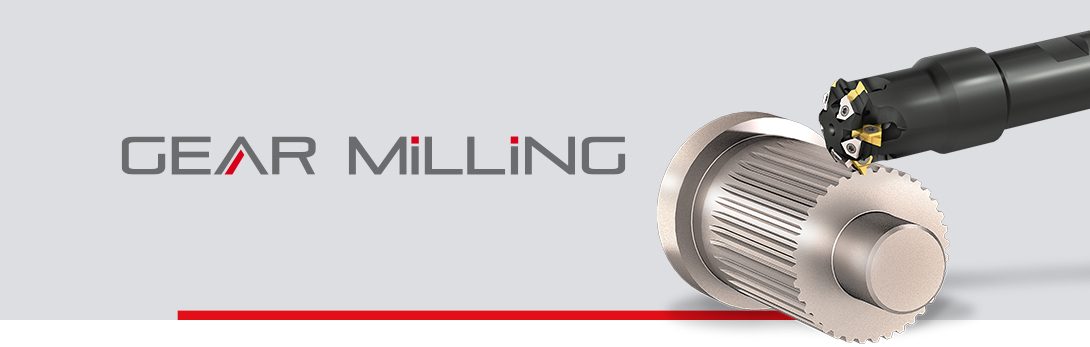
Form milling is a machining process in which the cutter has a specific profile that directly creates the desired shape on the workpiece. Unlike traditional milling methods that gradually generate a shape through multiple passes, form milling tools produce the final contour in a single operation.
These tools are widely used for machining gears, splines, grooves, and other complex profiles. Because the cutting edge directly determines the final shape of the component, tool accuracy is extremely important.
Precision grinding and advanced manufacturing techniques are used to produce form milling tools with exact profiles. When properly designed, these tools enable manufacturers to produce highly accurate parts with consistent repeatability.
Function of Face Mill Cutters
Face milling is another widely used machining operation that focuses on producing flat surfaces on a workpiece. Face milling cutters have multiple cutting inserts arranged around the circumference of the tool, allowing them to remove material efficiently.
High-quality tools designed by professional face mill cutter manufacturers allow manufacturers to machine large surfaces quickly while maintaining high precision. These cutters are often used in machining centers and CNC milling machines for producing flat surfaces on metal components.
The design of face milling cutters enables smooth cutting action and efficient chip removal. This helps reduce machining time and improves productivity in high-volume manufacturing environments.
Materials Used in Modern Milling Tools
Cutting tools used in milling operations must withstand high temperatures, heavy loads, and continuous contact with metal workpieces. For this reason, high-performance materials are used in their construction.
Most form milling tools are manufactured from high-speed steel or carbide. High-speed steel provides toughness and good wear resistance, making it suitable for many machining applications. Carbide tools offer greater hardness and allow higher cutting speeds, which improves productivity.
Similarly, tools produced by leading face mill cutter manufacturers often incorporate carbide inserts and advanced coatings. These coatings reduce friction, improve heat resistance, and extend the operational lifespan of the tool.
Industrial Applications of Milling Tools
Milling tools are essential in many industrial sectors where precision machining is required. Automotive manufacturers rely heavily on precision milling to produce engine blocks, transmission housings, and drivetrain components.
In these operations, form milling tools are often used to produce specialized profiles such as gear teeth or spline shapes required for mechanical assemblies.
Large-scale machining tasks such as surfacing engine components or machine frames often require tools produced by experienced face mill cutter manufacturers to ensure efficient material removal and consistent surface finish.
Aerospace manufacturers also depend on advanced milling tools to machine lightweight alloys and high-strength materials used in aircraft structures. Precision tools ensure that these critical components meet strict engineering standards.
Heavy equipment manufacturers use milling tools to produce large mechanical parts used in construction and mining machinery. Reliable tooling ensures that these components maintain structural integrity and durability.
Selecting the Right Tooling Partner
Choosing the right tooling supplier is an important decision for manufacturers who rely on precision machining. Experienced face mill cutter manufacturers typically operate advanced production facilities equipped with CNC grinding machines and high-precision inspection equipment.
These suppliers are capable of producing high-performance cutting tools that meet strict engineering standards. Their expertise helps manufacturers select the most suitable tools for their specific machining requirements.
In addition, suppliers who specialize in form milling tools can provide custom solutions for machining unique component profiles. Custom tooling ensures that manufacturers can produce specialized parts efficiently and accurately.
Technical support and consistent product quality are also important factors when selecting tooling partners. Reliable suppliers help ensure stable production operations and minimize downtime caused by tool failures.
Maintenance and Tool Life Optimization
Even the most advanced cutting tools require proper maintenance to maintain optimal performance. Regular inspection helps identify wear before it affects machining accuracy or surface finish.
When form milling tools begin to lose sharpness, they can often be reconditioned through precision grinding. This process restores the cutting edges and allows the tool to continue performing effectively.
Tools supplied by reputable face mill cutter manufacturers are also designed for easy insert replacement, allowing operators to maintain cutting performance without replacing the entire tool body.
Proper storage and handling also play an important role in protecting cutting tools. Tools should be stored in protective cases and kept free from contamination or accidental damage.
Maintaining appropriate cutting parameters such as speed, feed rate, and coolant flow also helps extend tool life and improve machining performance.
Advancements in Milling Technology
Manufacturing technology continues to evolve, leading to improvements in cutting tool design and machining efficiency. Computer-aided design software allows engineers to simulate machining processes and optimize cutter geometry before production begins.
Modern CNC grinding machines can produce form milling tools with extremely precise profiles, ensuring consistent performance during machining operations.
At the same time, leading face mill cutter manufacturers are developing tools with improved insert designs and advanced coatings that enhance durability and allow higher cutting speeds.
Automation and smart manufacturing systems are also improving productivity by enabling real-time monitoring of tool wear and machining conditions. These technologies help manufacturers schedule maintenance proactively and avoid unexpected tool failures.
Conclusion
Precision machining relies heavily on advanced cutting tools that deliver accuracy, durability, and efficiency. Specialized form milling tools enable manufacturers to produce complex profiles with high precision, making them essential for machining gears, splines, and other detailed components.
Meanwhile, high-performance tools produced by experienced face mill cutter manufacturers allow efficient surface machining and high material removal rates in modern CNC manufacturing environments.
By selecting reliable tooling partners and maintaining cutting tools properly, manufacturers can improve productivity, maintain consistent product quality, and ensure long-term machining efficiency across a wide range of industrial applications.




No comments:
Post a Comment